1. The power plug standard of the conversion power plug is different in each country. For example, if the power plug from China is in the United States, it cannot be used. A conversion plug must be required to complete the conversion. In this case, the power plug needs to be changed. The conversion power plug is to convert a national standard plug into another national standard power plug. Injection-molded power plug: The injection-molded plug means that the plug and the cord are pressed together through high temperature and high pressure. Once formed, they cannot be assembled or disassembled. Such a power plug has obvious characteristics, stability and safety. More than 80% of the power plugs generally circulating in the market are such power plugs. Assembling the power plug: Assembling the plug means that the power cord and the plug are fixed together by screws, but they can be assembled and disassembled during use, which ensures the flexibility of the power plug. For example, a large proportion of the British market uses such assembled power plugs.
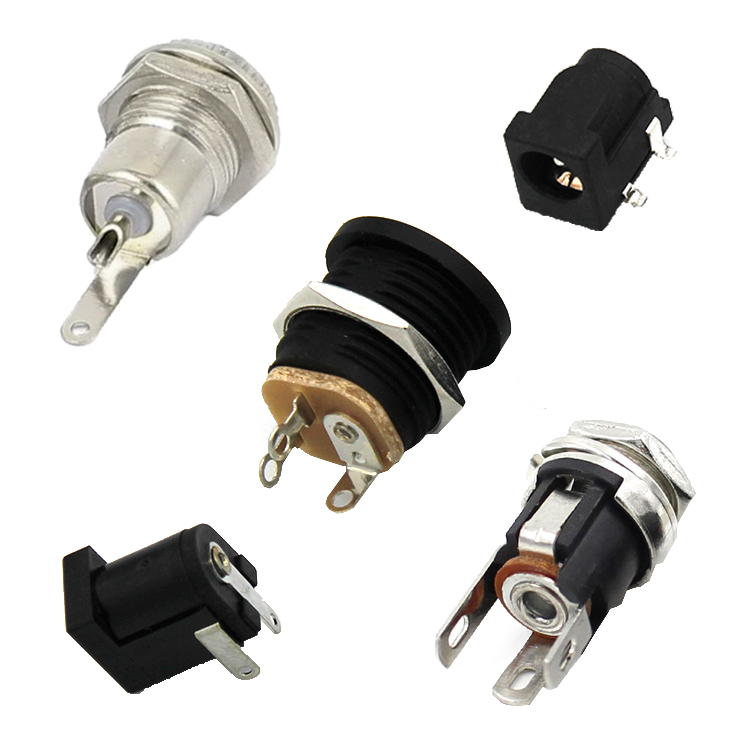
2. The power plug refers to a device that connects electrical appliances and other devices to the power source. Power sockets and plugs are different in appearance, grade, size and type according to different countries and regions. Every country has standards set by the government. The power plug is also called the power cord plug, and the English is power plug. Used in various fields and various countries. Depending on the purpose of the power plug, the power cord plug can be used at 250V, 125V, 36V, and depending on the current, it can be used at 16A, 13A, 10A, 5A, and 2.5A. The frequency is generally 50/60 Hz.
3. The power cord is the wire that transmits current. The usual way of current transmission is point-to-point transmission. Power cords can be divided into AC AC power cords and DC DC power cords according to their use. Generally, AC power cords are wires that pass high-voltage alternating current. Such wires require uniform standards to obtain safety certification due to their high voltage before they can be officially produced. The DC line basically passes the low-voltage direct current, so the safety requirements are not as strict as the AC line, but for safety reasons, countries still require unified safety certification.