

Phone features and applications are constantly being updated. It's easy to see that its interface is constantly changing. The typec interface is by far the most common type of interface. Micro USB is also one of many interface types, and it also has its own unique characteristics Micro USB is a portable version of the USB 2.0 standard, smaller than the Mini USB interface used by some cell phones.
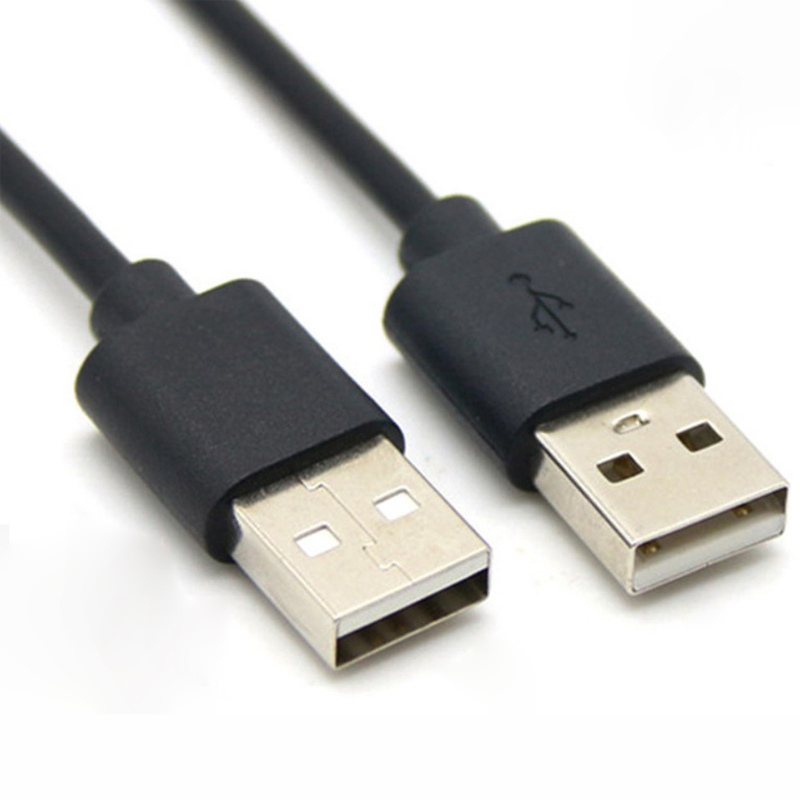
Micro-USB is the next-generation specification of Mini-USB, saving space, up to 10,000 times the life and strength of the plug-in, and is designed with a blind-mating structure. The micro USB standard supports the OTG function of USB, that is, it can directly realize data transfer between portable devices without a host (such as a personal computer), while providing data transfer and charging. It is especially suitable for high speed (HS) or higher data transfer. It is the best choice for connecting small devices such as cell phones, PDAs, digital cameras, digital cameras, portable digital players, etc. At the same time, it can also provide convenience for the car. Mobile phone emergency charging only requires a USB car charger and a micro-USB cable
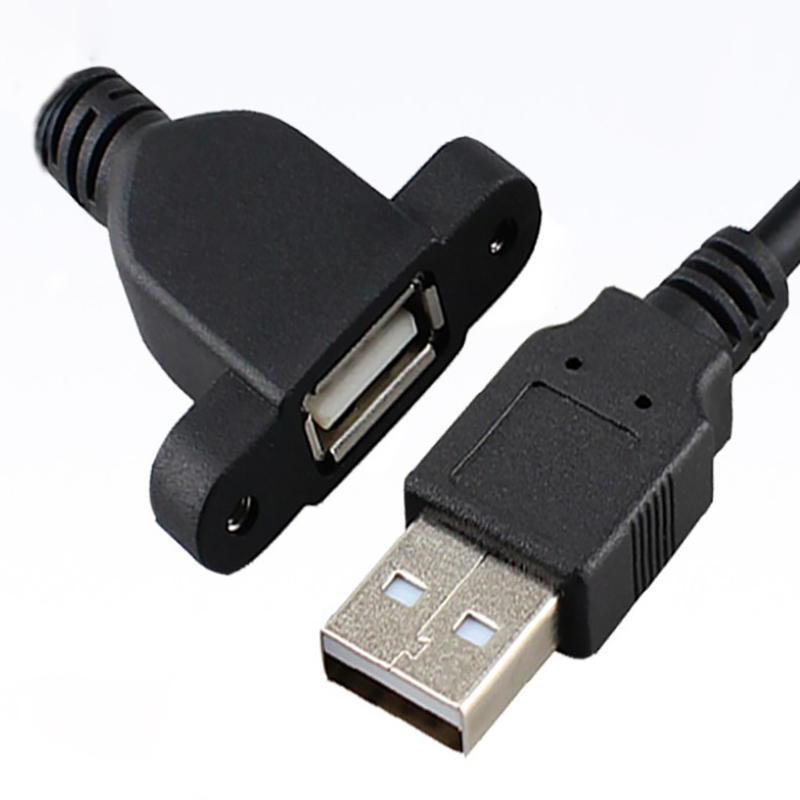
Although the application of typec is quite common, it must be said that microusb is still the interface with the largest number, and is still widely used in digital products such as mobile phones, power banks, speakers, bluetooth headsets, cameras, driving recorders and so on. It can be seen that its importance in the application of electronic equipment keeps its place in the iterative update of various products.